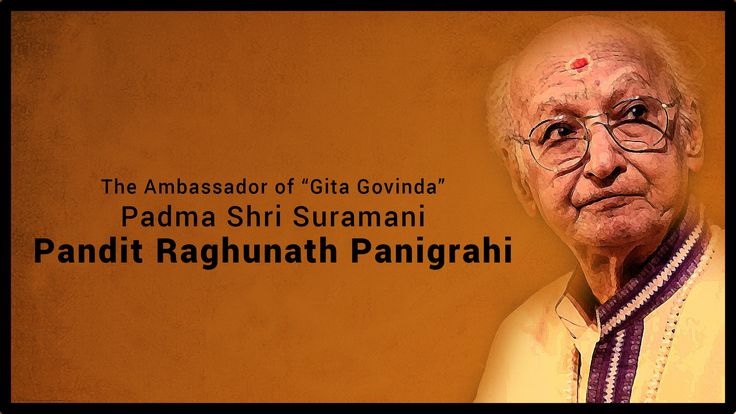
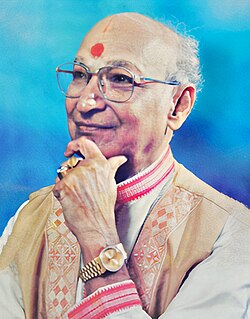
Suramani Padit Raghunath Panigrahi
Pandit; Odissi vocalist and composer; Playback singer; Co-architect of modern Odissi dance music
Notable Students
Gurus/Teachers
Biography
Achievements
- •1934-08-10 - Born in Gunupur, Koraput, Odisha to a musically inclined Odia
- •1950s - Advanced training in Odissi music; begins singing for All India Radio (AIR) Cuttack
- •Early 1960s - Promising stint as playback singer in Madras film industry; subsequently leaves films to dedicate to Odissi
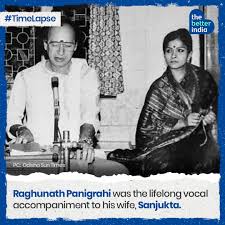
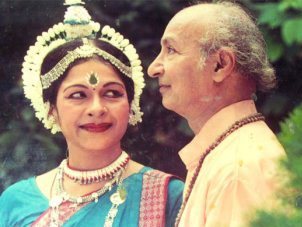
- •1960 - Marries Odissi dancer Sanjukta Panigrahi, inaugurating a life-long artistic partnership
- •1960s - Forms seminal collaboration with Pandit Bhubaneswar Mishra, composing/standardizing Odissi dance music settings for Gita Govinda and abhinaya repertoire
- •1966 - Undertakes early ICCR-sponsored international tours with Sanjukta Panigrahi; Odissi introduced to Europe/USSR/USA audiences
- •1970 - HMV/INRECO releases of Gita Govinda ashtapadis with Panigrahi’s vocals and Mishra’s arrangements begin to circulate widely
- •1976 - Receives Sangeet Natak Akademi Award (Odissi Music - Vocal) recognizing his contribution to Odissi music for dance
- •1980s - Continuous national/international performances; anchors Odissi ensembles for leading gurus and dancers (high confidence)
- •1997-06-24 - Suffers the loss of his wife and partner Sanjukta Panigrahi; recommits to preservation and pedagogy
- •1999 - Founds Smt. Sanjukta Panigrahi Memorial Trust to support Odissi research, archiving, and young artistes
- •2000s - Serves as mentor/visiting guru at workshops and institutions; curates memorial festivals and recordings
- •2010-01-26 - Honoured with Padma Shri by the Government of India for Arts
- •2012 - Conferred special Tagore-related national commemoration honour by Sangeet Natak Akademi during Tagore 150th year observances
- •2013-08-25 - Passes away in Bhubaneswar; nationwide tributes acknowledge him as the voice of Odissi
Awards & Honors
Legacy & Impact
Raghunath Panigrahi’s legacy is inseparable from the global renaissance of Odissi after Independence. He helped stabilize a concert-ready Odissi music grammar that could sustain large proscenium presentations while maintaining lineage integrity. By pairing the tensile strength of a classically grounded voice with poetic sensitivity to Jayadeva and Odia sahitya, he made the text intelligible and emotionally resonant to audiences unfamiliar with the language—vital for international tours. His collaborations with Pandit Bhubaneswar Mishra effectively canonized a repertoire that is now standard pedagogy: their tunings, raga choices, and tala designs for key ashtapadis and abhinaya items (mangalacharan, batu nritya accompaniment cues, pallavi transitions, and moksha cadences) are still used or referenced by most schools of Odissi. He also re-centered the vocalist’s role in Odissi ensembles. Rather than a generic “accompanist,” the vocalist became the dramaturgical axis—interpreting text, pacing dance, and dialoguing with mardala and violin. Panigrahi’s insistence on clear Sanskrit/Odia diction and bhava-driven phrasing influenced vocalists across Odisha and beyond, shaping the pedagogy of gurus who came after him. His recordings—especially of Gita Govinda—are the de facto textbooks for abhinaya classes, often played repeatedly so dancers can absorb not just melody but micro-accent and breath. In this sense, he is a “guru of gurus,” because even gurus who never studied formally with him absorbed his interpretive values. Institutionally, the Smt. Sanjukta Panigrahi Memorial Trust seeded scholarships, festivals, and archival initiatives, giving young artistes platforms and materials. His presence as a mentor at workshops and residencies in Bhubaneswar, Delhi, Kolkata, Chennai, and internationally nurtured a large informal circle of disciples. Today, he is remembered in annual memorial concerts, special lecture-demonstrations on Gita Govinda sanchari bhavas, and curated reissues of his classic LPs. His name is invoked alongside the foundational architects of modern Odissi—Padma Vibhushan Kelucharan Mohapatra (dance), Pandit Bhubaneswar Mishra (music), and mardala greats—because Panigrahi provided the voice that made Odissi’s poetry breathe. His legacy endures every time an Odissi dancer mouths a line of Jayadeva to the exact inflection he set decades ago.
Videos
Gallery
Timeline
Birth
Born on 1934-08-10 in Gunupur a small town in the backward south Odisha district of Koraput on the banks of river Vamsadhara
Advanced training and AIR broadcasts begin
As a young adult, pursues rigorous Odissi music training and begins singing for All India Radio (Cuttack)
Marriage to Sanjukta Panigrahi
Marries Odissi dancer Sanjukta Panigrahi, forging an artistic partnership that would define Odissi’s modern stage era.
Leaves film playback career for Odissi
After a promising stint in Madras playback singing, chooses to devote himself fully to Odissi music and Sanjukta’s dance career.
Begins canonical Gita Govinda work
With Pandit Bhubaneswar Mishra, begins formalizing Odissi music settings of Jayadeva’s ashtapadis for dance.
First major ICCR tour
Undertakes an early ICCR-sponsored overseas tour with Sanjukta, presenting Odissi in Europe and beyond.
Landmark recordings
HMV/INRECO releases of Gita Govinda and abhinaya items start circulating, becoming standard teaching references.
State recognition
Honoured by Odisha Sangeet Natak Akademi for contributions to Odissi music
Personal loss
Sanjukta Panigrahi passes away (1997-06-24); he continues their mission of preserving Odissi.
Establishes Memorial Trust
Founds the Smt. Sanjukta Panigrahi Memorial Trust to support Odissi artistes, research, and archiving.
Mentorship and workshops
Intensifies teaching, workshops, and mentorship across India; becomes a guiding voice for abhinaya pedagogy.
Padma Shri
Awarded the Padma Shri by the Government of India for his contribution to the arts (music).
National commemoration honour
Receives Tagore 150th year commemoration honour from SNA/Ministry of Culture (as part of nationwide recognitions).
Passing
Passes away in Bhubaneswar on 2013-08-25; the Odissi community mourns the loss of its most beloved voice.
Published on November 2, 2025 at 06:10 AM by Taalika Admin