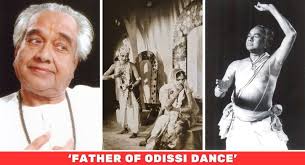
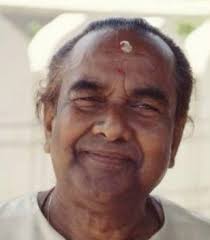
Mayadhar Raut
Odissi Guru, Choreographer, Revivalist
Notable Students
Gurus/Teachers
Biography
Achievements
- •1950s - Intensive training under Pankaj Charan Das within the Orissa Theatre milieu led by Mohan Sundar Dev Goswami.
- •1957-1959 - Active participant in Jayantika, the collective that standardized Odissi technique, repertoire order and aharya.
- •1958 - Contributed to the national exposition of Odissi around the Sangeet Natak Akademi’s All-India Dance Seminar, New Delhi, which catalyzed Odissi’s recognition.
- •Early 1960s - Relocated to New Delhi; began institutional teaching and choreography at Shriram Bharatiya Kala Kendra and other centres.
- •1960s - Created signature abhinaya pieces on Gita Govinda ashtapadis; formalized abhinaya pedagogy integrating textual study with practice.
- •1960s–1970s - Crafted pallavis and group choreographies emphasizing angasuddhi, layakari and sculptural aesthetics.
- •1970s - Served on expert panels and examination boards for Odissi curricula; gave lecture-demonstrations across India.
- •1979 - Received the Sangeet Natak Akademi Award for Dance (Odissi), recognizing his choreographic and pedagogic leadership.
- •1980s - International teaching residencies and performances helped seed Odissi communities outside India.
- •1990s - Continued repertoire revivals and advanced abhinaya coaching; advised institutions on Odissi syllabi.
- •2000s - Consolidated work under the Mayadhar Raut School of Odissi Dance in New Delhi; archival efforts of choreographies.
- •2010 - Conferred the Padma Shri by the Government of India for contributions to Odissi.
- •2010s - Honoured by cultural bodies in Odisha and Delhi; mentored second- and third‑generation disciples.
- •2025 - Passing in New Delhi after more than six decades of service to Odissi; memorial tributes nationwide.
Awards & Honors
Legacy & Impact
Mayadhar Raut’s legacy is inseparable from the modern identity of Odissi. He stands as one of the four principal revivalist gurus whose combined efforts stabilized a fragmented temple and theatre inheritance into a classical concert form. His lasting contribution lies in the deepening of Odissi’s abhinaya: foregrounding the madhura‑bhakti universe of Jayadeva’s Gita Govinda and demonstrating that Odissi could sustain long-form expressive pieces with textual fidelity and psychological nuance. By rigorously referencing the Natyashastra and Abhinaya Darpana while remaining rooted in Odia aesthetic sensibilities, he helped reconcile debates about Odissi’s ‘classical’ status and offered a teachable, documentable grammar. Pedagogically, his insistence on angasuddhi, torso‑centric movement and tala sophistication shaped what later came to be recognized as a distinct ‘Mayadhar Raut bani’ within Odissi. Students trained in his approach display clean geometry, understated grace and articulate abhinaya—attributes that travel across his disciples’ work on multiple continents. As a Jayantika stalwart, he contributed to the agreed structure of the Odissi margam and its costume, aharya and stage conventions; these decisions still define Odissi recitals today. His Delhi base during the 1960s–80s enabled Odissi’s national and international spread: through institutional teaching at Shriram Bharatiya Kala Kendra and allied centres, he seeded lineages far from Odisha, making Odissi accessible to students from diverse backgrounds. Several of his abhinaya choreographies have entered the shared repertoire of Odissi and are restaged by disciples and grand‑disciples, ensuring a living, performative legacy rather than a museumized one. Beyond choreography, he advocated documentation and research, encouraging translation/annotation of key texts, careful musical choices, and respect for temple and mahari traditions. Recognition by national bodies affirmed his stature, but more telling is the continued reverence with which his pedagogy is cited in studios, academic forums and festival curation. Today he is remembered not only as a master teacher and choreographer but as a principled revivalist whose clarity of aesthetics helped Odissi gain a confident, classical voice in the modern performing arts ecosystem.
Videos
Gallery
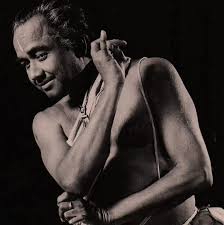
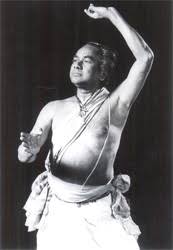
Timeline
Birth
Born on 1930-07-06 in Odisha (near Cuttack; precise village varies in sources).
Early exposure to performing arts
Immersed in Odia devotional music and folk-classical performance milieus during childhood and teens.
Formal training begins
Joins Orissa Theatre under Mohan Sundar Dev Goswami; begins intensive dance training under Pankaj Charan Das.
Jayantika involvement
Participates in the Jayantika collective to codify Odissi’s technique, repertoire and conventions.
Odissi presented nationally
Contributes to efforts around the All-India Dance Seminar, New Delhi, that propel Odissi to national recognition.
Moves to New Delhi
Begins long teaching association with institutions such as Shriram Bharatiya Kala Kendra; choreographs and performs extensively.
Abhinaya innovations
Establishes Odissi abhinaya items on Gita Govinda ashtapadis with detailed sanchari bhavas.
Pallavi and group works
Creates pallavis and ensemble productions emphasizing angasuddhi and sculptural aesthetics.
National recognition
Receives Sangeet Natak Akademi Award (Dance - Odissi) for choreography and pedagogy.
International teaching
Conducts residencies and workshops abroad, seeding Odissi communities outside India.
Curriculum advisor
Serves on expert committees for Odissi syllabi and examinations; mentors senior disciples.
Institutional consolidation
Formalizes activities under the Mayadhar Raut School of Odissi Dance in Delhi.
Civilian honour
Awarded the Padma Shri by the Government of India for contributions to Indian classical dance (Odissi).
Legacy curation
Supervises revivals and documentation of earlier choreographies for new generations.
Passing
Dies in New Delhi on 2022-06-06; tributes across India recognize him as a pillar of the Odissi revival.
Published on November 2, 2025 at 06:10 AM by Taalika Admin