Gandharva Mahavidyalaya
Preserving the Heritage of Indian Classical Music and Dance Since 1939.
Welcome
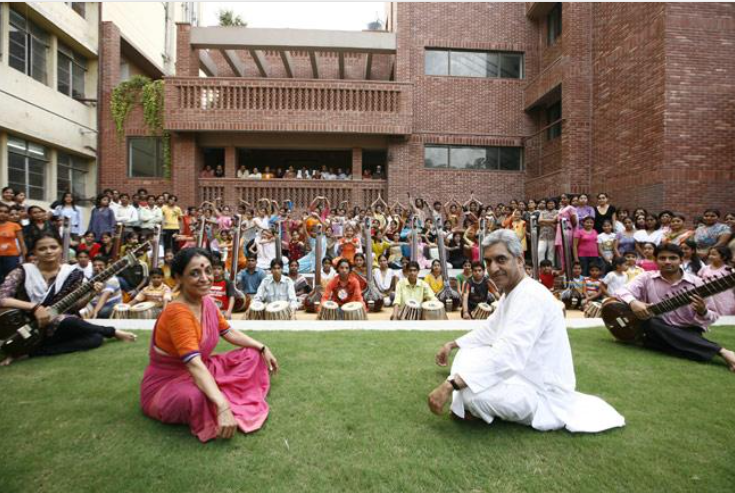
Established in 1939 by Pandit Vinaya Chandra Maudgalya and Smt. Padma Devi, Gandharva Mahavidyalaya, New Delhi, is one of India's distinguished institutions dedicated to the teaching and promotion of Indian classical music and dance. Inspired by the ideals of Pandit Vishnu Digambar Paluskar, the institution works towards making classical arts accessible to all through systematic education and artistic training. The Mahavidyalaya offers theoretical and practical instruction in Hindustani classical vocal and instrumental music, along with Indian classical dance forms including Odissi, Kathak and Bharatanatyam. With a commitment to nurturing artistic excellence, it provides students opportunities to learn from experienced teachers, participate in monthly concerts, and benefit from special workshops and lecture-demonstrations by visiting artists and scholars. Currently headed by Pandit Madhup Mudgal, Gandharva Mahavidyalaya continues its legacy of preserving, promoting and passing on India's rich classical music and dance traditions to future generations.
Established:
Our faculty includes:
Our facilities include:
We are proud to have earned 5 awards for our dedication to the art form.
Gandharva Mahavidyalaya, New Delhi
New Delhi , 110002 , India, New Delhi, New Delhi • gmvnewdelhi@gmail.com
About Us
Established in 1939 by Pandit Vinaya Chandra Maudgalya and Smt. Padma Devi, Gandharva Mahavidyalaya, New Delhi, is one of India's distinguished institutions dedicated to the teaching and promotion of Indian classical music and dance. Inspired by the ideals of Pandit Vishnu Digambar Paluskar, the institution works towards making classical arts accessible to all through systematic education and artistic training. The Mahavidyalaya offers theoretical and practical instruction in Hindustani classical vocal and instrumental music, along with Indian classical dance forms including Odissi, Kathak and Bharatanatyam. With a commitment to nurturing artistic excellence, it provides students opportunities to learn from experienced teachers, participate in monthly concerts, and benefit from special workshops and lecture-demonstrations by visiting artists and scholars. Currently headed by Pandit Madhup Mudgal, Gandharva Mahavidyalaya continues its legacy of preserving, promoting and passing on India's rich classical music and dance traditions to future generations.
Our Philosophy
The institution follows the educational ideals of Pandit Vishnu Digambar Paluskar. Its main objectives include: - Making Indian classical music accessible to everyone. - Providing structured and modern methods of instruction. - Training qualified music teachers. - Preserving India's classical music and dance heritage. - Encouraging students to develop performance skills and artistic discipline.
Our Programs
Courses & Programs
Odissi Dance Training
Structured training in Odissi, one of India's classical dance forms, focusing on traditional movements, body postures, chauka, tribhangi, footwork, abhinaya and repertoire.
Kathak Dance Training
Training in Kathak classical dance, covering basic footwork, tatkar, chakkars, hand gestures, rhythm, expressions and traditional compositions.
Hindustani Classical Vocal Music
Training in Hindustani classical vocal music, including swara, raga, tala, voice culture, alankars and traditional compositions.
Indian Classical Instrumental Music
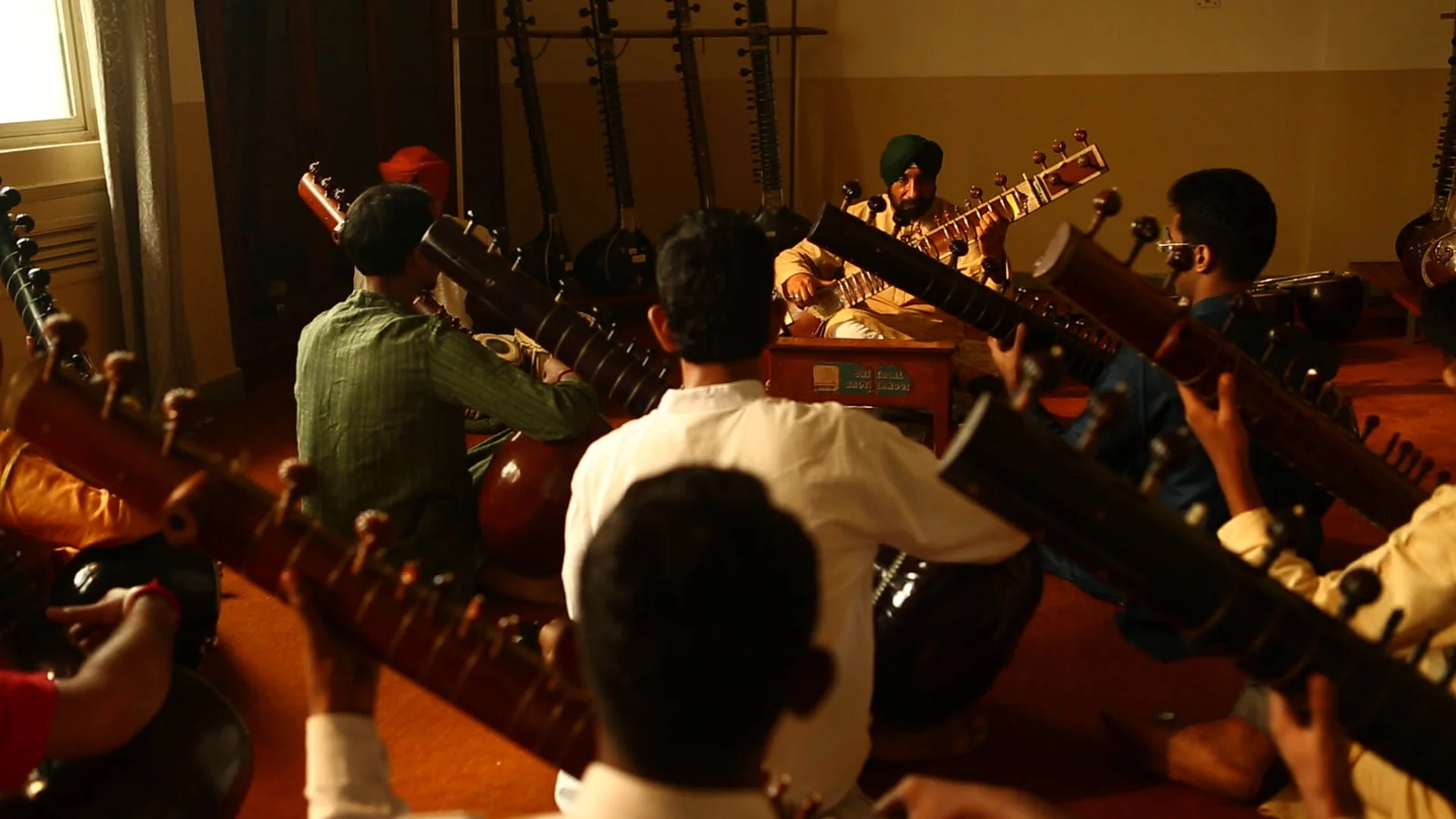
Practical and theoretical training in Indian classical instrumental music, including instruments such as Sitar, Flute, Tabla and Harmonium.
Photo Gallery
Video Gallery
Published on November 18, 2026 at 01:27 PM by Jayanta Mohapatra