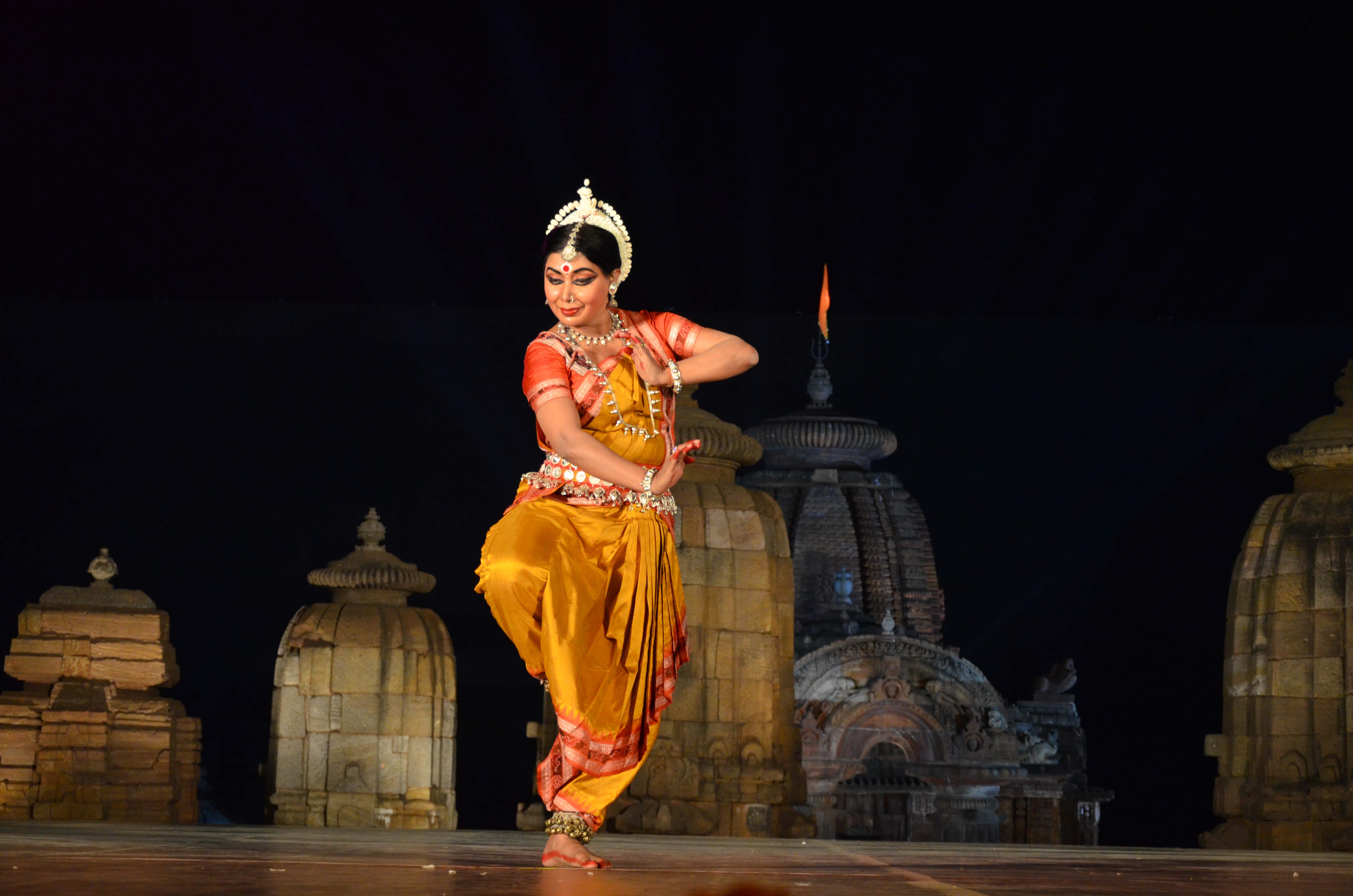
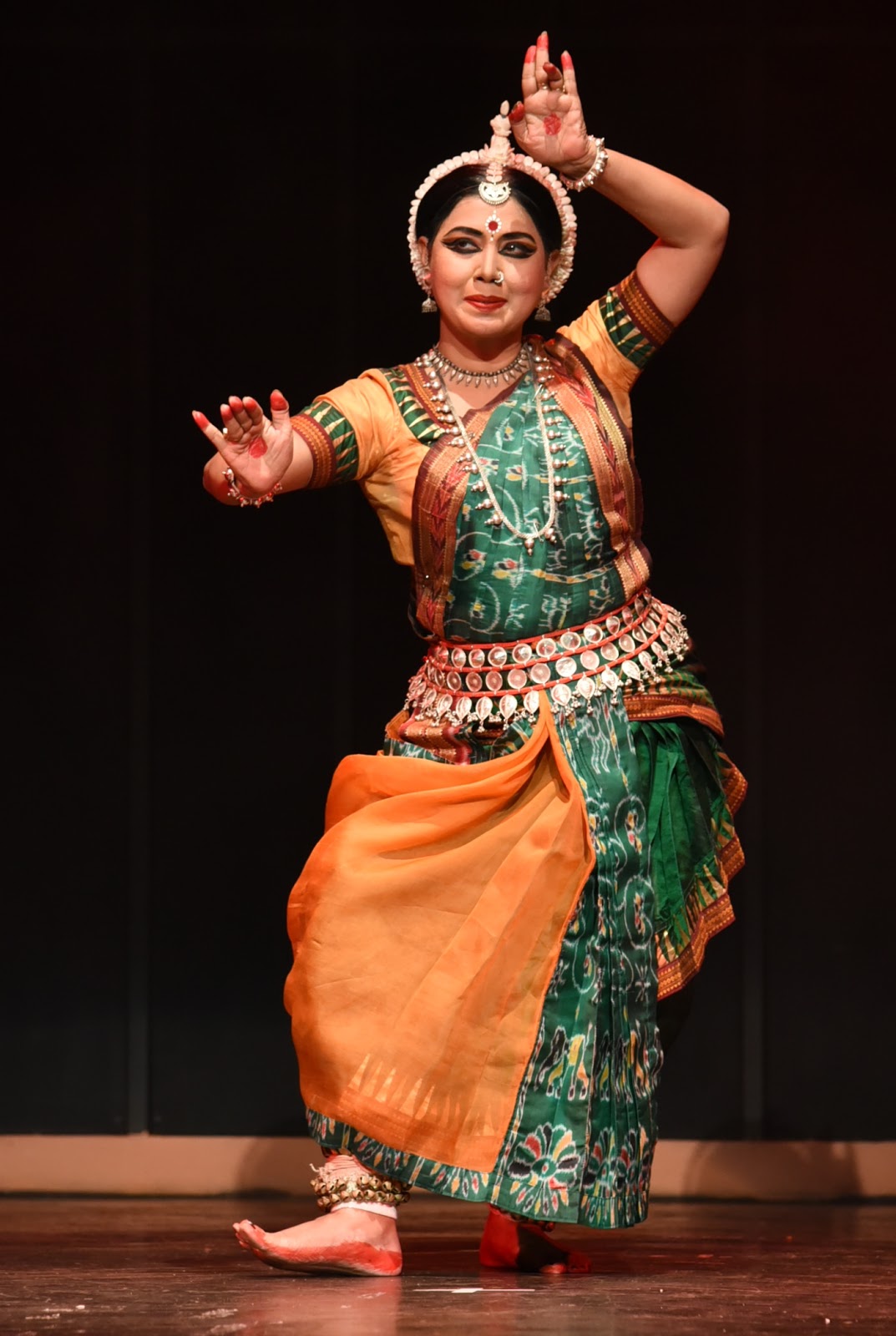
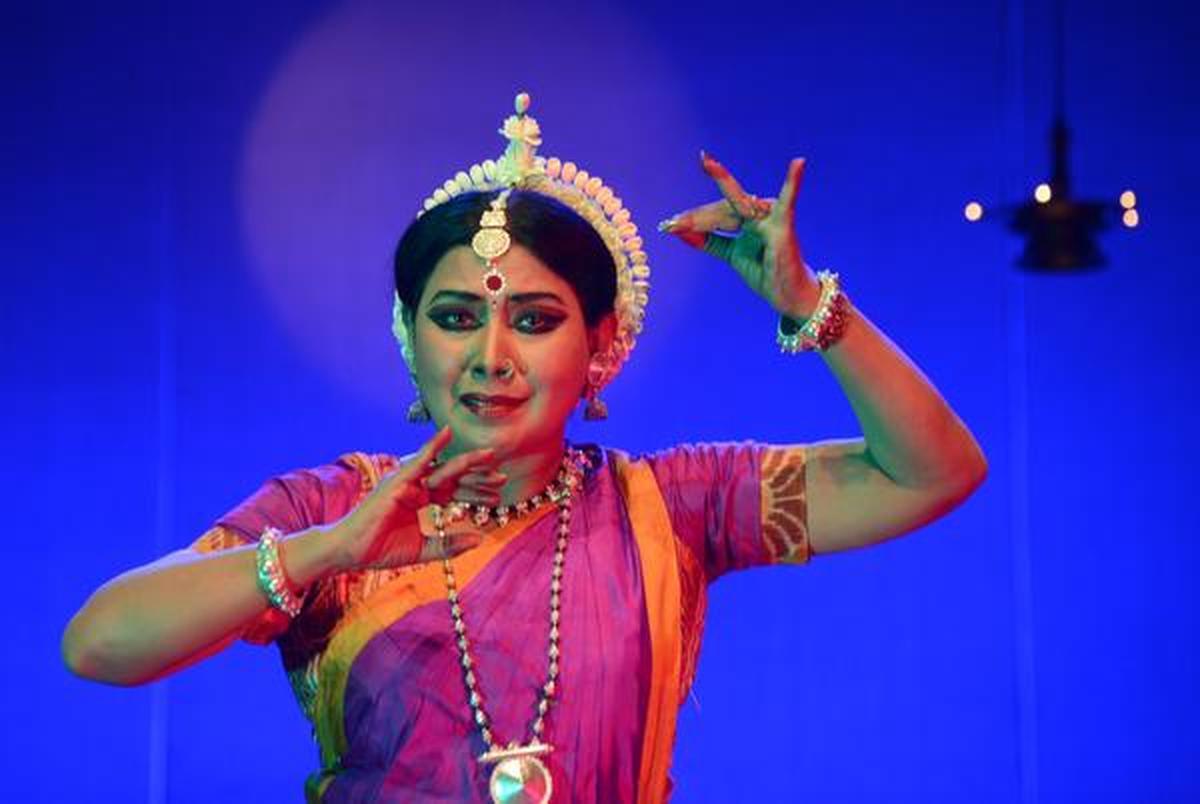
Aruna Mohanty
Guru, Odissi exponent, choreographer, Artistic Director/Head, Orissa Dance Academy (Bhubaneswar)
Notable Students
Gurus/Teachers
Biography
Achievements
- •1972 - Began formal Odissi training under Padma Shri Gangadhar Pradhan at Orissa Dance Academy, Bhubaneswar
- •1980s–1990s - Emerged as principal soloist and key repertory member of ODA, touring nationally to Konark, Khajuraho, Ellora, Dover Lane, Surya Festival, and other major platforms
- •1990s - Created early choreographies for ODA repertory, developing a signature for research-led, theme-based productions
- •c. 1998–2003 - Premiered large-format productions on Kharavela, Dhauli/Buddhist heritage, and Konark iconography with original music scores
- •2000s - Led multiple ICCR-sponsored international tours to North America, Europe, the Middle East, and Southeast Asia; conducted intensive workshops and residencies
- •2010 - Assumed expanded leadership at ODA following the demise of Padma Shri Gangadhar Pradhan; curated seasons and repertory renewals
- •2010 - Received the Sangeet Natak Akademi Award for Odissi (New Delhi)
- •2011–2015 - Received senior Odisha and national recognitions including the Mahari Award and Guru Kelucharan Mohapatra Award; delivered commemorative lecture-demonstrations honoring Odissi pioneers
- •2015–2020 - Curated/co-curated editions of Dhauli-Kalinga Mahotsav and other state festivals; premiered new repertory works addressing women’s voices and ethical histories
- •2023 - Conferred the Padma Shri (Art–Dance, Odissi) by the Government of India (medium-to-high confidence)
- •2020s - Continues to serve as Artistic Director/Head at Orissa Dance Academy, mentor senior disciples who now lead institutions in India and abroad
Awards & Honors
Legacy & Impact
Aruna Mohanty’s lasting legacy lies in her dual identity as a consummate soloist rooted in parampara and a choreographer-curator who broadened Odissi’s thematic horizons without compromising its grammar. She brought a researcher’s rigor to the stage, mining inscriptions, chronicles, and classical/modern poetry to craft dramaturgies around Odisha’s civilizational sites—Dhauli, Khandagiri-Udayagiri, Konark—and personae such as Kharavela. By aligning movement architecture with text and music that are contextually appropriate, she reinforced Odissi’s scholarly credibility while making it accessible to broader audiences at home and abroad. Pedagogically, her ODA-based methodology—equal parts technique, abhinaya literacy, tala training, and stagecraft—has produced a steady stream of competent soloists and ensemble dancers who populate companies and schools across India, North America, Europe, and Southeast Asia. Many of these disciples are now teachers, passing on not only the core repertoire but also an ethic of research-led performance. Her insistence on sahitya comprehension—students must be able to translate, scan meter, and feel the poetry—has elevated interpretive standards in the Odissi classroom, particularly outside Odisha where textual immersion can be a challenge. As a curator of festivals such as the Dhauli-Kalinga Mahotsav (in association with the Government of Odisha), she promoted an integrated view of Odisha’s performance traditions, giving space to Odissi, Chhau, and martial idioms, and thereby nurturing dialogue between classical and folk/classical-derived forms. Her productions on women’s subjectivities and social concerns demonstrated that Odissi can address contemporary issues with dignity and classical restraint, avoiding dramaturgical gimmickry while retaining rasadhvani. This has inspired younger choreographers to take on history and social themes in Odissi using grounded technique and thoughtful dramaturgy. Internationally, her residencies and tours helped establish Odissi pedagogy beyond India, strengthening diaspora schools that now serve as important nodes for the form’s transmission. Within India, her sustained work at ODA after Guru Gangadhar Pradhan’s passing ensured institutional continuity, archiving of repertoire, and an environment where new work could emerge in conversation with tradition. Today, Aruna is invoked as a model of the scholar-practitioner: a dancer who can hold the stage, write/lecture convincingly about the form, and steward institutions—shaping how Odissi is taught, curated, and presented in the 21st century.
Videos
Gallery
Timeline
Birth
Born in Raghurajpur, Odisha
Began formal Odissi training
Started rigorous training under Padma Shri Gangadhar Pradhan at Orissa Dance Academy, Bhubaneswar
Rangapravesha
Formal solo debut under Guru Gangadhar Pradhan in Bhubaneswar
National circuit debut
Performed at major Indian festivals including Konark and Khajuraho, gaining recognition as a promising soloist
Repertory leadership
Emerged as principal dancer and rehearsal director within ODA’s touring company
Choreographic voice
Began presenting original group choreographies at state/national festivals, noted for research-driven themes linked to Odisha’s heritage.
International tours
Led/participated in ICCR tours to North America and Europe; conducted workshops and residencies (early 2000s).
Thematic productions
Premiered new evening-length works on Kharavela and Dhauli/Buddhist heritage with original music
Mahari Award
Received the Mahari Award recognizing excellence in Odissi and contribution from Guru Pankaj Charan Research Foundation
Institutional leadership at ODA
Took on expanded artistic/administrative leadership after the passing of Padma Shri Gangadhar Pradhan; curated seasons and preserved his repertoire.
Sangeet Natak Akademi Award
Honored with India’s national award for Odissi by SNA, New Delhi
Guru Kelucharan Mohapatra Award
Recognized with the GKCM Award for sustained contributions (approximate year).
Festival curator
Began/continued curatorial association with Dhauli-Kalinga Mahotsav and other Odisha state cultural festivals.
Padma Shri
Conferred the Padma Shri (Art–Dance, Odissi) by the Government of India
Mentorship and global teaching
Expanded mentorship of senior disciples who established/led schools in India and abroad; continued creating new repertoire.
Published on November 2, 2025 at 06:10 AM by Taalika Admin