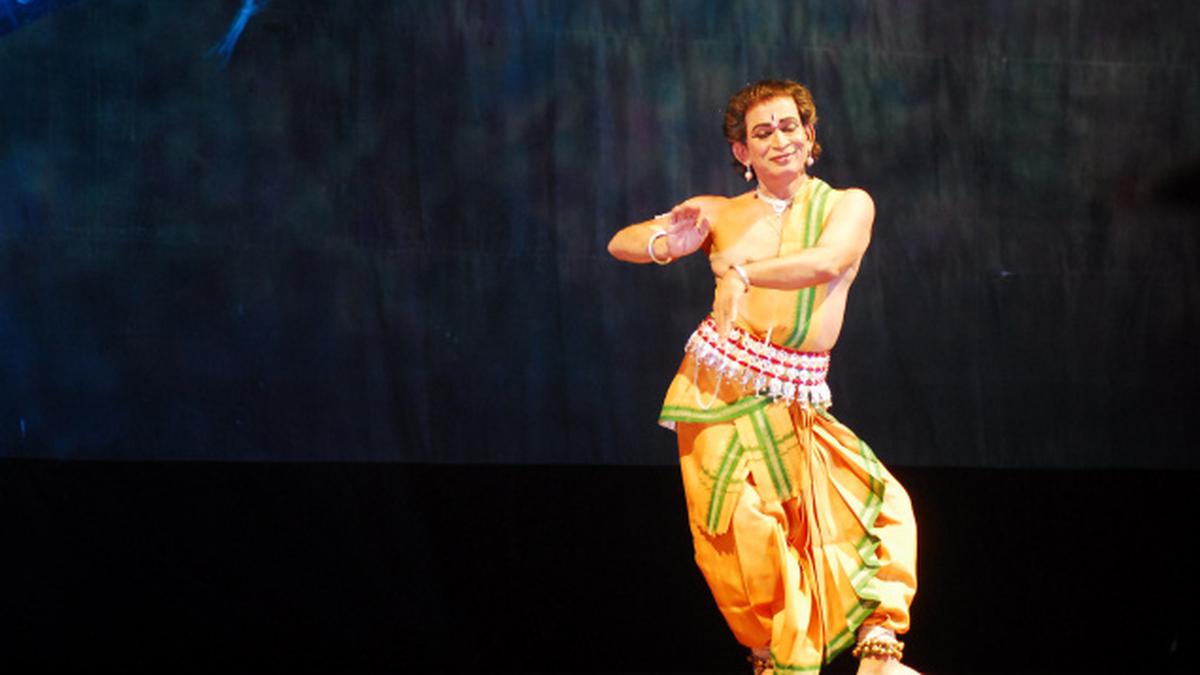
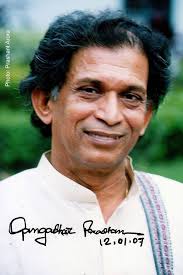
Gangadhar Pradhan
Guru; Founder-Director, Orissa Dance Academy (Bhubaneswar) and Konark Natya Mandap; Odissi exponent, choreographer, festival curator
Notable Students
Gurus/Teachers
Biography
Achievements
- •1948-01-01 - Born in the Parikud region, Puri district, Odisha (confidence: high on region; exact day-month uncertain)
- •1960s - Trained in Gotipua/akhada traditions; initiated formal Odissi training
- •1960s–1970s - Advanced training under Guru Pankaj Charan Das, Guru Deba Prasad Das and Padma Vibhushan Kelucharan Mohapatra (chronology varies; confidence: high)
- •1970s - Performed across Odisha and India; began choreographing ensemble works
- •1975 - Founded Orissa Dance Academy (ODA), Bhubaneswar, as training-cum-repertory institution
- •Late 1970s–1980s - Led ODA repertory on national circuits and cultural diplomacy tours (ICCR/state circuits)
- •1986 - Established Konark Natya Mandap near the Sun Temple at Konark
- •1986 - Curated/launched the Konark Dance & Music Festival at Konark Natya Mandap in partnership with state cultural bodies
- •1990s - Consolidated ODA’s graded syllabus and repertory; mentored senior disciples into teaching roles
- •1998 - Received Sangeet Natak Akademi Award for Odissi (confidence: high)
- •2000s - Continued choreography, festival curation, and mentorship; expanded training for accompanists and Gotipua troupes
- •2008 - Conferred Padma Shri by the Government of India for contributions to Odissi (confidence: high)
- •2010-10-10 - Passed away in Bhubaneswar; institutions and festivals continue under his disciples' stewardship
Awards & Honors
Legacy & Impact
Guru Gangadhar Pradhan’s most enduring legacy lies in institution-building that anchored Odissi’s growth beyond individual star performers. By founding the Orissa Dance Academy (1975) and Konark Natya Mandap (1986), he created durable platforms where teaching, repertory performance, research, and festival curation coexisted. This ensured a pipeline for dancers from foundational training to professional stage exposure, and generated livelihoods for accompanists—mardala players, vocalists and instrumentalists—thereby stabilising Odissi’s support system. His insistence on rhythmic literacy for dancers helped foreground mardala as a living, evolving accompaniment tradition; many Odissi ensembles today reflect that rhythmic clarity and ensemble discipline. As curator of the Konark Dance & Music Festival, he re-situated Odissi within Odisha’s monumental landscape, using the Sun Temple’s aura to dignify the classical arts on an international stage and stimulate cultural tourism. The festival model he helped shape—state partnership, private institutional leadership, and artist-centred programming—has been emulated by several dance festivals in Odisha and beyond. His programming intentionally juxtaposed Odissi with other classical forms, encouraging dialogue while consolidating Odissi’s identity. Pedagogically, his holistic method—training in dance, tala, music, literature and stagecraft—produced well-rounded artistes capable of leading institutions and festivals themselves. Several of his disciples now helm schools, curate festivals, and contribute to policy and archiving, extending his organizational ethos. He championed the continuum between Gotipua, paika akhada and classical Odissi, thereby preserving community traditions and giving them renewed visibility. His repertory’s emphasis on Odia sahitya safeguarded linguistic-cultural specificity within a pan-Indian classical circuit. Recognition today comes through the continued vitality of ODA and Konark Natya Mandap, the sustained popularity of the Konark festival, and tributes at Odisha’s major classical festivals. For younger dancers, his example demonstrates that the health of a classical form depends not only on great choreographies but also on building institutions, caring for accompanists, and creating stages. In that sense, his legacy is infrastructural as much as artistic—a blueprint for how regional cultural leadership can shape national art histories.
Videos
Timeline
Birth
Born in the Parikud region, Puri district, Odisha (exact day-month uncertain).
Initial training
Introduced to movement and rhythm through Gotipua/akhada traditions in coastal Odisha (approx. early 1960s).
Formal Odissi training
Began structured Odissi under leading gurus including Pankaj Charan Das and Deba Prasad Das (approx. mid-1960s).
Advanced tutelage
Sought training and guidance from Padma Vibhushan Kelucharan Mohapatra, refining abhinaya and stage craft (late 1960s).
Performance career
Toured within Odisha/India; assisted in repertory productions and ensemble choreography (early 1970s).
Founded Orissa Dance Academy
Established ODA in Bhubaneswar as a training-cum-repertory Institution.
National circuits
ODA repertory increasingly featured at national festivals and state cultural circuits (late 1970s–1980s).
Konark Natya Mandap
Established Konark Natya Mandap near Sun Temple, creating an open-air campus for training and performance.
Konark Dance & Music Festival
Launched/curated the festival at Konark Natya Mandap in collaboration with state cultural agencies.
Repertory consolidation
Standardised training modules and expanded ODA’s repertory under his direction (early–mid 1990s).
National recognition
Received Sangeet Natak Akademi Award for Odissi.
International outreach
ODA/Konark ensembles continued ICCR/state-supported international tours (early 2000s; representative).
Padma Shri
Conferred Padma Shri by the Government of India for contributions to Odissi.
Demise
Passed away on 2010-10-10 in Bhubaneswar; disciples and institutions carry forward his legacy.
Published on November 2, 2025 at 06:10 AM by Taalika Admin