Mayadhar Raut
Odissi Guru · 1930–2025
Odissi Guru, Choreographer, Revivalist
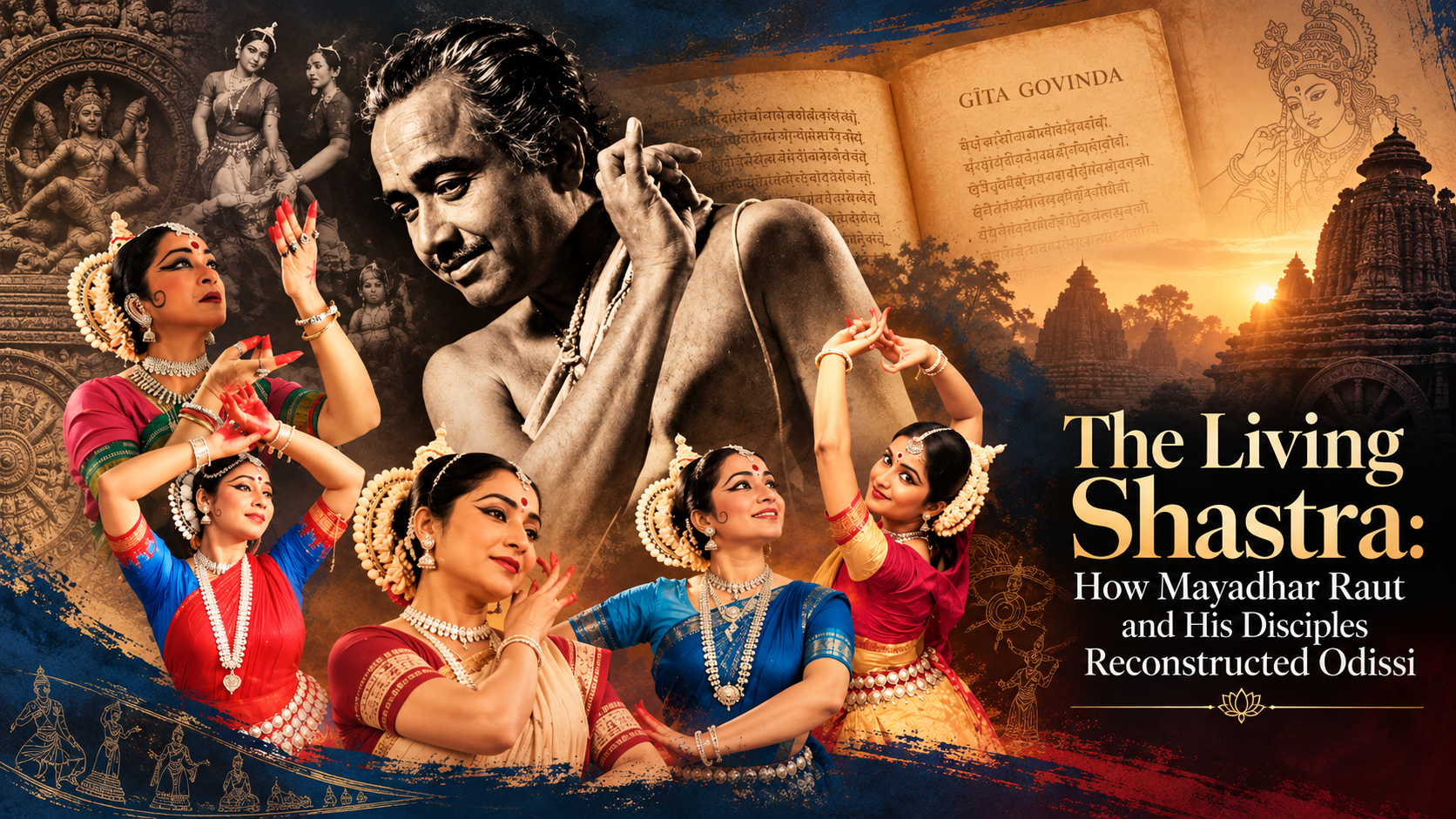
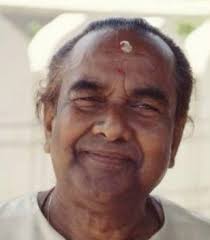
Guru Mayadhar Raut (July 6, 1930 – February 22, 2025) was a towering figure in the world of Indian classical dance, widely revered as a master, choreographer, and one of the primary architects of modern Odissi dance.
About
Guru Mayadhar Raut (July 6, 1930 – February 22, 2025) was a towering figure in the world of Indian classical dance, widely revered as a master, choreographer, and one of the primary architects of modern Odissi dance. His profound scholarship in ancient treatises and pioneering choreographic work played a crucial role in giving Odissi its classical status.
Born in the village of Kantapenhara in the Cuttack district of Odisha, Raut began his artistic journey in theatre at the tender age of seven. He received his early training in traditional Odissi and Mahari dance styles under respected Gurus such as Kelucharan Mohapatra and Pankaj Charan Das. A pivotal moment in his career came in 1955 when a scholarship led him to the prestigious Kalakshetra in Madras (Chennai). There, he not only honed his skills in Bharatanatyam and Kathakali but also deepened his theoretical knowledge of the Natyashastra and Abhinaya Darpana under the tutelage of the legendary Rukmini Devi Arundale.
Guru Mayadhar Raut was a key member of the post-independence "Jayantika" association, formed in 1959. This group was instrumental in systematically codifying and restructuring Odissi, providing it with a formal framework and vocabulary that was essential for its eventual recognition as a shastra-based classical art form by the Sangeet Natak Akademi. His major innovations included the introduction of sanchari bhava (physical commentary on the text) in Odissi abhinaya (expressive dance), significantly enriching its emotive potential. He also formalized the use of hastas (hand gestures) based on classical texts, introducing mudra viniyoga (application of gestures) into the study of Odissi. Furthermore, he was the first to adapt and present the Gita Govinda ashtapadis, rich in Shringara Rasa (erotic sentiment), on the modern stage, with notable compositions like "Pashyati Dishi Dishi" and "Priya Charu Shile."
Raut's influence extended across India through his dedicated teaching. He served as the first Odissi guru at the Kala Vikas Kendra in Cuttack and later moved to Delhi, where he founded the Odissi department at the Shriram Bharatiya Kala Kendra. He taught there for 25 years (1970-1995), and his systematic teaching approach and deep scholarship shaped generations of dancers. His notable disciples include Padma awardees like Ranjana Gauhar, Kiren Segal, Aloka Panikar, and Geeta Mahalik, many of whom continue to spread his distinctive style through their own institutions. For his substantial contributions, Guru Mayadhar Raut received numerous prestigious awards, including the Padma Shri (2010), the Sangeet Natak Akademi Award (1985), and the Tagore Akademi Ratna (2011). His life work ensured the transition of Odissi from a regional temple dance tradition to a globally recognized classical art form, leaving an indelible mark on its evolution and practice.
Legacy & impact
Mayadhar Raut’s legacy is inseparable from the modern identity of Odissi. He stands as one of the four principal revivalist gurus whose combined efforts stabilized a fragmented temple and theatre inheritance into a classical concert form. His lasting contribution lies in the deepening of Odissi’s abhinaya: foregrounding the madhura‑bhakti universe of Jayadeva’s Gita Govinda and demonstrating that Odissi could sustain long-form expressive pieces with textual fidelity and psychological nuance. By rigorously referencing the Natyashastra and Abhinaya Darpana while remaining rooted in Odia aesthetic sensibilities, he helped reconcile debates about Odissi’s ‘classical’ status and offered a teachable, documentable grammar.
Pedagogically, his insistence on angasuddhi, torso‑centric movement and tala sophistication shaped what later came to be recognized as a distinct ‘Mayadhar Raut bani’ within Odissi. Students trained in his approach display clean geometry, understated grace and articulate abhinaya—attributes that travel across his disciples’ work on multiple continents. As a Jayantika stalwart, he contributed to the agreed structure of the Odissi margam and its costume, aharya and stage conventions; these decisions still define Odissi recitals today. His Delhi base during the 1960s–80s enabled Odissi’s national and international spread: through institutional teaching at Shriram Bharatiya Kala Kendra and allied centres, he seeded lineages far from Odisha, making Odissi accessible to students from diverse backgrounds.
Several of his abhinaya choreographies have entered the shared repertoire of Odissi and are restaged by disciples and grand‑disciples, ensuring a living, performative legacy rather than a museumized one. Beyond choreography, he advocated documentation and research, encouraging translation/annotation of key texts, careful musical choices, and respect for temple and mahari traditions. Recognition by national bodies affirmed his stature, but more telling is the continued reverence with which his pedagogy is cited in studios, academic forums and festival curation. Today he is remembered not only as a master teacher and choreographer but as a principled revivalist whose clarity of aesthetics helped Odissi gain a confident, classical voice in the modern performing arts ecosystem.
Timeline
- 1930BirthBorn on 1930-07-06 in Odisha (near Cuttack; precise village varies in sources).
- 1940Early exposure to performing artsImmersed in Odia devotional music and folk-classical performance milieus during childhood and teens.
- 1950Formal training beginsJoins Orissa Theatre under Mohan Sundar Dev Goswami; begins intensive dance training under Pankaj Charan Das.
- 1957Jayantika involvementParticipates in the Jayantika collective to codify Odissi’s technique, repertoire and conventions.
- 1958Odissi presented nationallyContributes to efforts around the All-India Dance Seminar, New Delhi, that propel Odissi to national recognition.
- 1962Moves to New DelhiBegins long teaching association with institutions such as Shriram Bharatiya Kala Kendra; choreographs and performs extensively.
- 1965Abhinaya innovationsEstablishes Odissi abhinaya items on Gita Govinda ashtapadis with detailed sanchari bhavas.
- 1970Pallavi and group worksCreates pallavis and ensemble productions emphasizing angasuddhi and sculptural aesthetics.
- 1979National recognitionReceives Sangeet Natak Akademi Award (Dance - Odissi) for choreography and pedagogy.
- 1985International teachingConducts residencies and workshops abroad, seeding Odissi communities outside India.
- 1995Curriculum advisorServes on expert committees for Odissi syllabi and examinations; mentors senior disciples.
- 2000Institutional consolidationFormalizes activities under the Mayadhar Raut School of Odissi Dance in Delhi.
- 2010Civilian honourAwarded the Padma Shri by the Government of India for contributions to Indian classical dance (Odissi).
- 2015Legacy curationSupervises revivals and documentation of earlier choreographies for new generations.
- 2022PassingDies in New Delhi on 2022-06-06; tributes across India recognize him as a pillar of the Odissi revival.