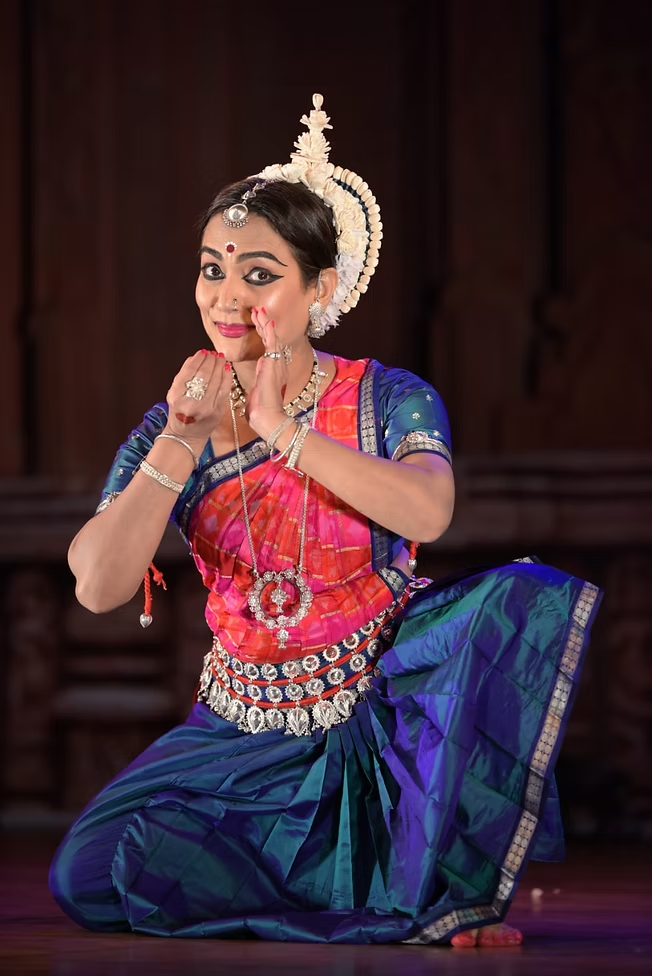
Sarita Mishra
Odissi Guru
Sarita Mishra is an Odissi dancer, choreographer, and teacher currently based in Bengaluru, India.
About
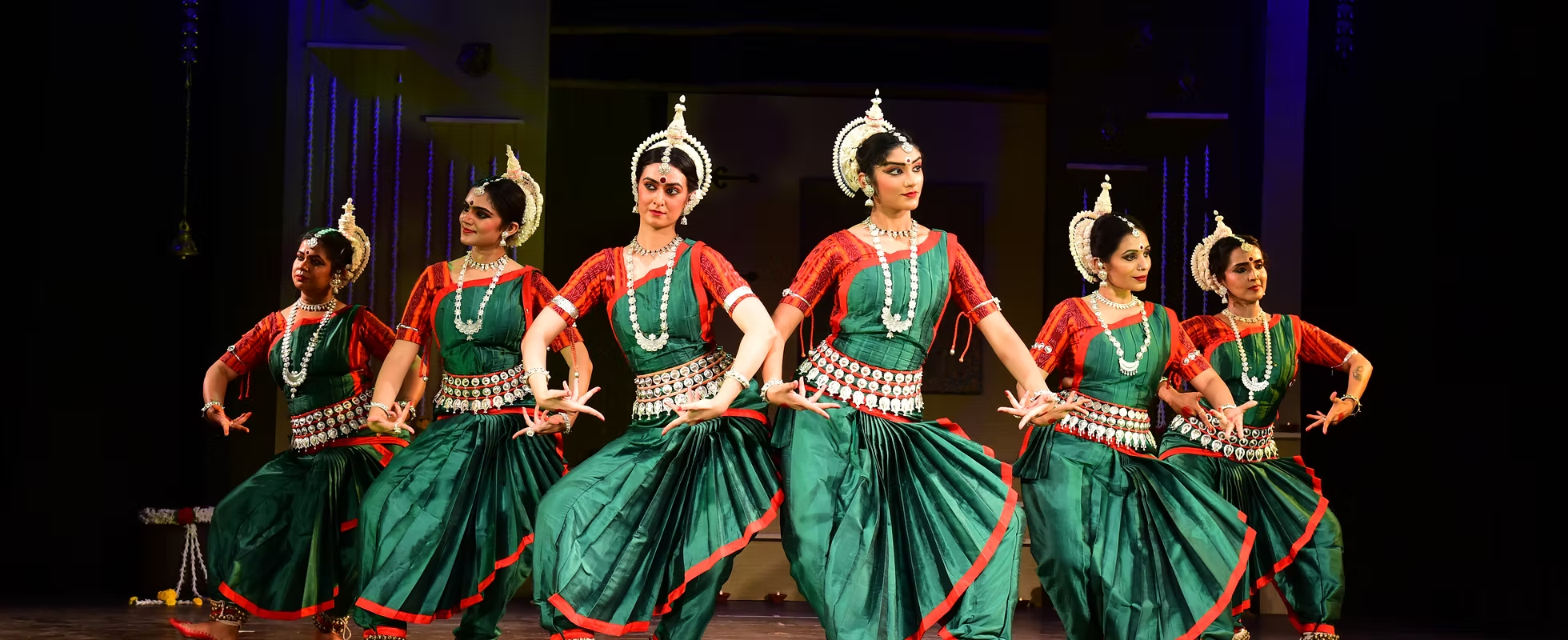
Sarita Mishra is an Odissi dancer, choreographer, and teacher currently based in Bengaluru, India. Trained from a young age in the classical grammar of Odissi—covering the canonical arc of Mangalacharan, Batu, Pallavi, Abhinaya, and Moksha—she has built a career that bridges rigorous solo performance with committed pedagogy. Over the years, she has honed a style that balances strong nritta (pure dance) with expressive abhinaya, drawing on the Odissi tradition’s sculptural stances, lasya, and nuanced interpretations of Odia and Sanskrit poetry. In Bengaluru, she is best known as a dedicated teacher who has mentored several batches of students for stage debuts and repertory presentations, while also continuing to perform as a soloist and in small ensembles.
Her training lineage is rooted in the post‑Independence revival of Odissi, and her approach reflects the techniques codified by the great gurus of the style, particularly the Kelucharan Mohapatra tradition (specific senior mentors and extended tutelage periods are not comprehensively documented in the public domain and remain to be verified). In addition to core technique, she emphasizes tala (rhythm) literacy and the relationship between mardala percussion and movement phrasing, encouraging students to internalize layakari and the lyrical qualities of Odissi music. Her abhinaya choices frequently draw upon Jayadeva’s Gita Govinda and modern Odia bhajans, alongside occasional experiments with contemporary Odia poetry while retaining classical movement vocabulary.
Since relocating to Bengaluru, Sarita has contributed to the city’s classical arts ecosystem by teaching regular batches, offering intensive workshops for beginners and advanced learners, curating annual student showcases, and collaborating with local organizers for thematic productions. She is often invited to conduct lecture‑demonstrations for schools and community groups, introducing audiences to Odissi’s history, repertoire, and aesthetics. During the COVID‑19 pandemic, she transitioned to online pedagogy, designing graded modules and repertory guidance for remote learners, and subsequently returned to studio teaching and stage performance as venues reopened.
Her performances have included solo recitals, festival appearances, and community concerts in Bengaluru and other Indian cities; within these, she has presented traditional pallavis, abhinaya to ashtapadis, and group compositions for her students. Beyond the stage, she is engaged in mentoring, repertoire coaching, and choreography for student ensembles. While a comprehensive, publicly cited list of national awards for her is not readily available as of 2025, her reputation rests on consistent teaching, performance, and contribution to Odissi’s propagation in southern India.
Festivals

Recent performances
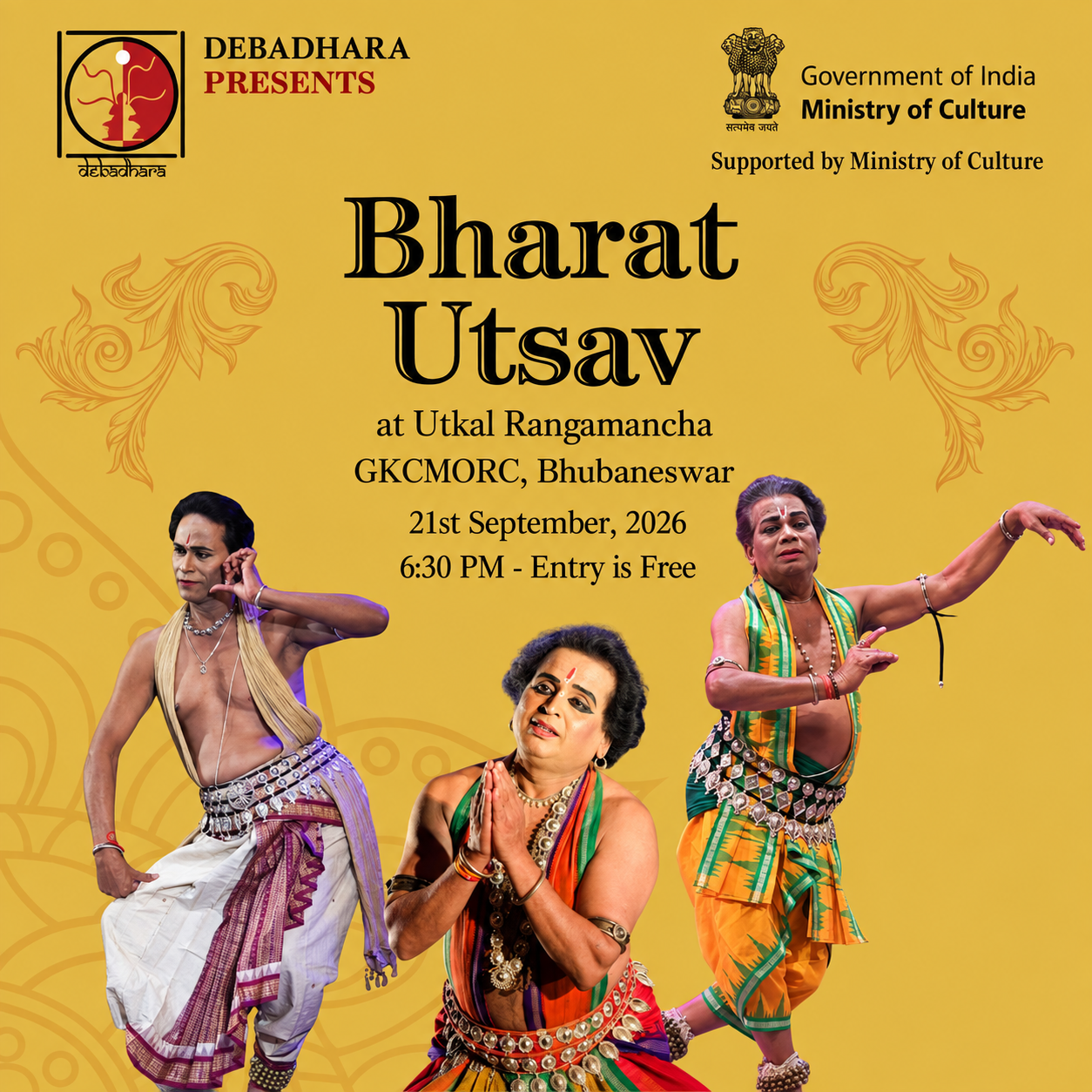
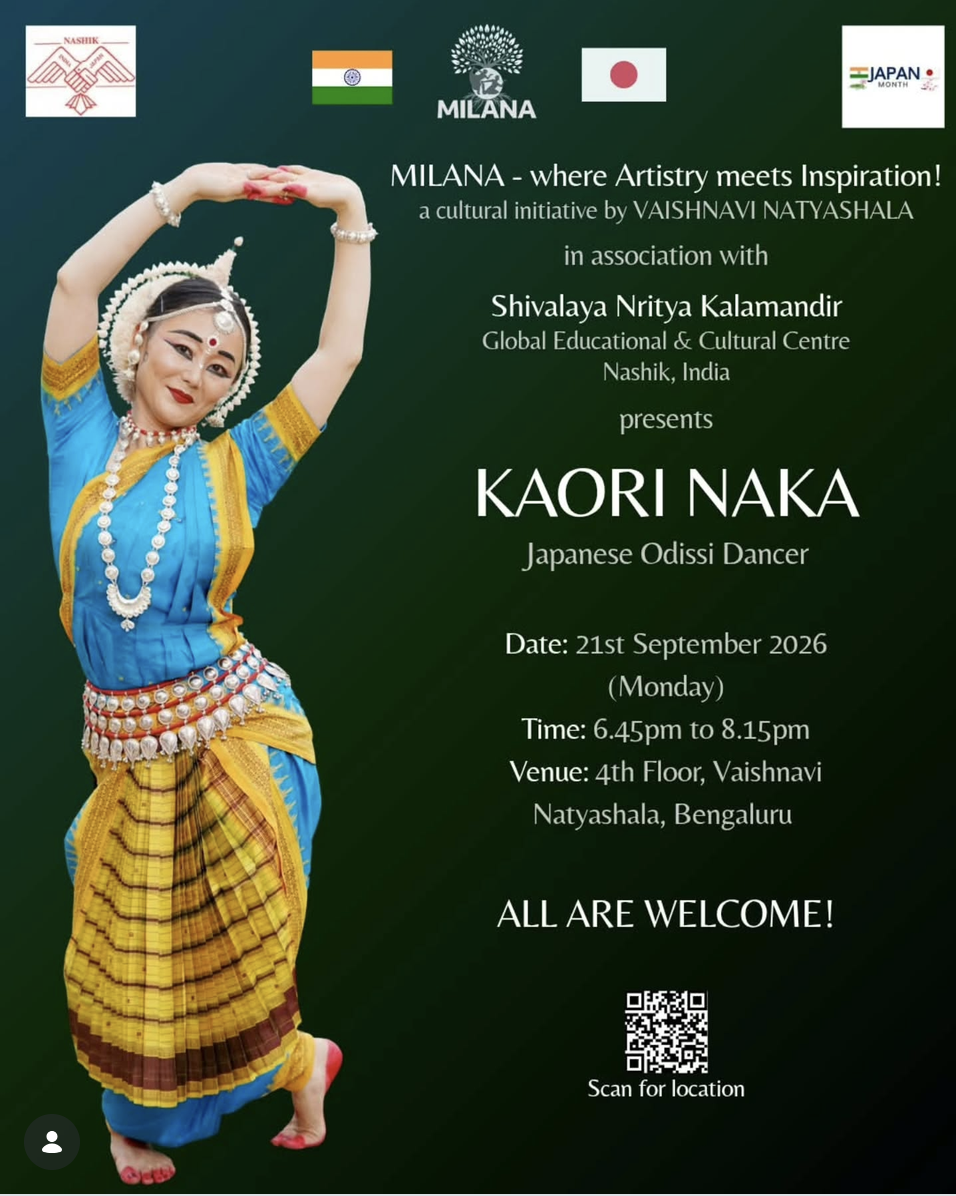

Selected performances
At Shishira Chhanda (2018, Bengaluru) she presented both her ensemble’s work and her solo; one reviewer praised her “stage-worthy presence” and ability to switch moods swiftly.
2018
Gallery
3Watch
Schools
Adyasha Foundation
founder
Teaches